English
 Español
 عربى
عربى1. What Are Traditional Simple Decal Mirrors?
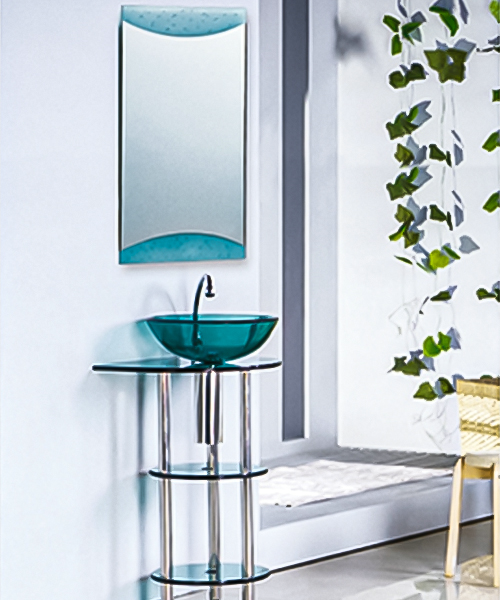
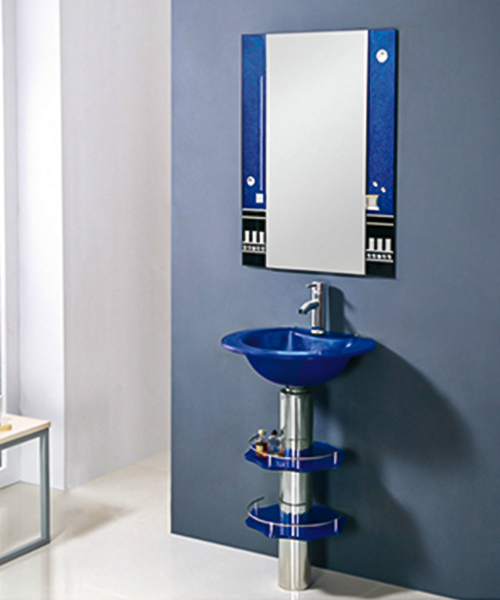
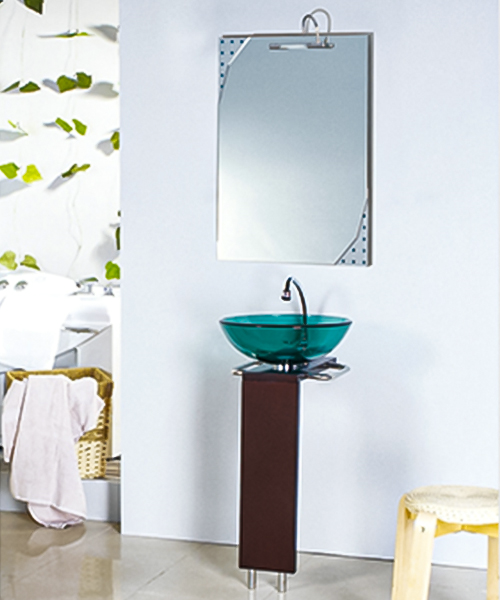
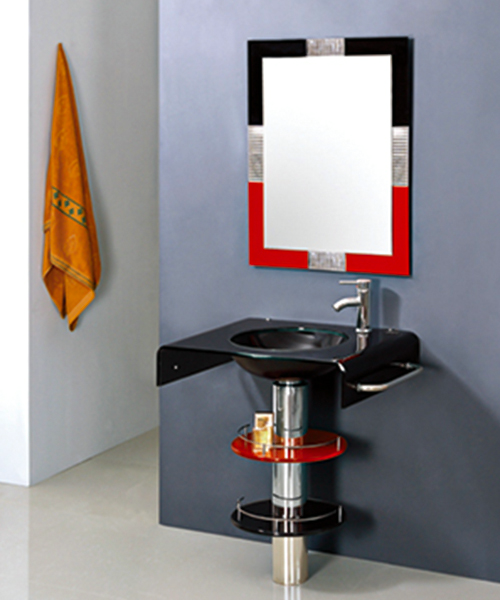
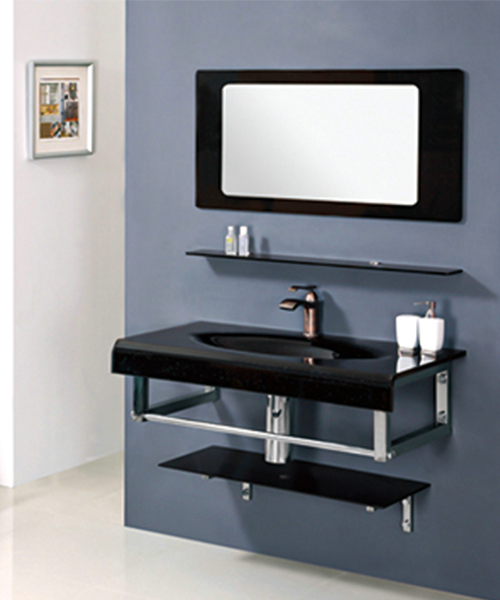
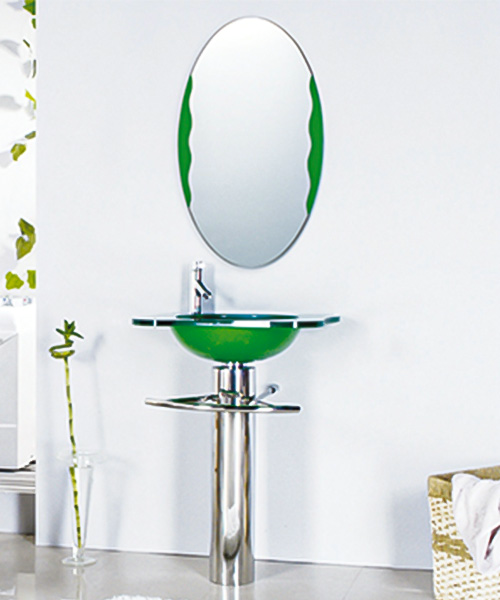
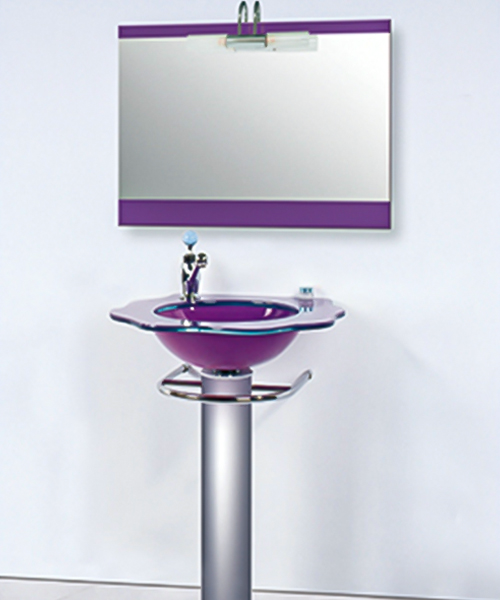
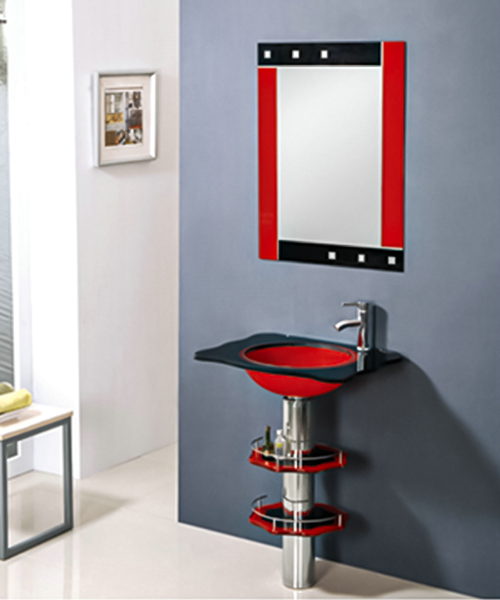
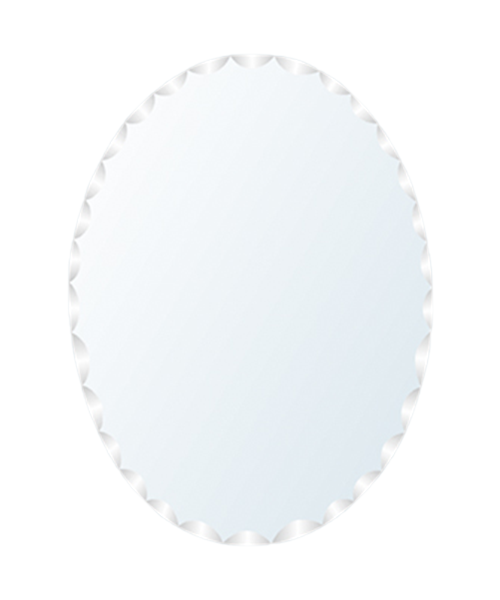
Traditional simple decal mirrors are a stylish addition to any home. They combine the reflective function of a mirror with decorative elements, often through the use of adhesive decals or etched patterns. These mirrors typically have a minimalistic design and may feature a simple frame or none at all. The decals, which can be subtle or more pronounced, are typically inspired by classic patterns or contemporary minimalist styles, making these mirrors versatile for different interior design aesthetics.
Key Features of Traditional Simple Decal Mirrors:
- Minimalist Design: Most traditional simple decal mirrors feature clean lines and a straightforward, elegant design.
- Reflective Function: The primary purpose of the mirror remains to reflect light and open up spaces.
- Decorative Decals: The added decal designs can range from geometric shapes to floral or abstract patterns.
2. Choosing the Right Placement
Placement is critical when it comes to mirrors, as their reflective properties can help enhance natural light and create a sense of space. When placing traditional simple decal mirrors, it’s important to consider the size and purpose of the room.
Entryways and Hallways
Mirrors in entryways and hallways not only add a functional aspect (checking your appearance before leaving) but also serve to make these often small, narrow spaces appear larger. The reflective surface helps bounce light around, brightening up darker corners.
Placement Tip: Consider placing a mirror above a small console table or along a narrow wall to maximize the visual effect.
Living Room
The living room is a space that typically benefits from mirrors that reflect light from windows or lamps, as this can create a welcoming ambiance. A strategically placed traditional mirror can also act as a focal point, adding elegance and balance to the room’s overall décor.
Placement Tip: Place the mirror across from a window or next to light sources to enhance the brightness of the space.
Bedrooms
In the bedroom, mirrors can create a serene and tranquil atmosphere. A simple decal mirror can be placed above the bed or in a corner to make the space feel more open.
Placement Tip: Avoid placing mirrors directly across from the bed as this can cause visual distractions, disrupting the peaceful environment.
3. Pairing with Other Décor
Traditional simple decal mirrors can enhance other elements in the room when paired thoughtfully with other décor. These mirrors often complement neutral color schemes or vintage-inspired furniture, bringing balance and cohesion to the space.
Neutral Tones
In a neutral-toned room, the simplicity of a traditional decal mirror adds a sense of sophistication. Look for mirrors with decals in soft shades like gold, silver, or matte black to maintain a subtle, timeless aesthetic.
Vintage or Antique Styles
If you have a vintage or antique-themed room, traditional simple decal mirrors with intricate patterns can tie the room together. These mirrors offer a refined touch without overpowering the room’s existing décor.
Minimalist Design
For minimalist spaces, the key is simplicity. Choose a traditional mirror with clean lines and decals that are subtle and understated. Geometric or linear designs work well to enhance the minimal aesthetic.
4. Accent with Decorative Items
Once you’ve placed your mirror, it’s important to add complementary items to tie the room together. Traditional simple decal mirrors work well with a range of accents, from vintage items to modern pieces.
Console Tables
Place a mirror above a classic console table, and pair it with decorative objects like candles, vases, or small sculptures. These items add visual interest and complement the reflective properties of the mirror.
Tip: The mirror’s reflection will double the visual impact of decorative objects, creating a more dynamic focal point.
Art and Wall Décor
Traditional simple decal mirrors can also be integrated into a broader wall décor scheme. By adding surrounding artwork, paintings, or photographs, you create a gallery-like effect that enhances the room’s visual appeal.
5. Selecting the Right Size
The size of your mirror should be proportional to the size of the room and the furniture within it. A mirror that’s too large may dominate the space, while one that’s too small could get lost in the room.
Over a Fireplace
In a large living room or dining room, consider placing a traditional simple decal mirror above the fireplace. This placement creates symmetry and adds visual balance to the room.
Multiple Small Mirrors
Smaller mirrors can also be grouped together in creative arrangements. A collection of smaller mirrors arranged in a grid pattern works especially well in bathrooms, foyers, or narrow corridors.
Tip: When grouping multiple mirrors, make sure to leave some space between each one to avoid overwhelming the wall.
6. Maintenance and Care
Proper care and maintenance of traditional simple decal mirrors will help preserve their beauty and functionality for years to come. Regular cleaning and attention to the condition of the decals will ensure that the mirror remains in top shape.
Regular Cleaning
Use a microfiber cloth to clean the surface of the mirror. Avoid using abrasive materials or harsh chemicals, as these can scratch or damage the reflective surface and decals.
Avoid Direct Sunlight
Exposing the mirror to direct sunlight for long periods of time can cause the decals to fade over time. It’s best to place the mirror in areas with indirect sunlight to prolong its life.
Check Adhesion of Decals
The decals on your mirror may begin to peel off after some time. It’s important to regularly check their condition and reapply or replace them if necessary. Many online stores offer replacement decal kits, which allow you to refresh the design.
7. Innovative Styling Ideas
Traditional simple decal mirrors are versatile enough to be used in a variety of creative ways. Here are a few ideas for styling them in unique ways:
Mirror Gallery Wall
Consider creating a gallery wall with multiple mirrors of varying sizes and decal designs. This is especially effective in larger spaces where a single mirror might feel out of place. The varied reflections create visual interest and add depth to the wall.
Reflective Features
Use mirrors to reflect beautiful elements in the room, such as plants, artwork, or chandeliers. The reflected light enhances the space and draws attention to your favorite décor features.