English
 Español
 عربى
عربىIntroduction
In modern home design, wall mirrors with shelves have become indispensable elements that not only serve functional purposes but also act as key decorative features. With the rise of smaller living spaces and the growing demand for stylish home aesthetics, finding ways to combine storage and beauty has become a focal point for both designers and homeowners. Wall mirrors can expand visual space by reflecting light, making rooms appear larger, while shelves provide storage solutions, keeping spaces organized and adding depth to the design.
The combination of wall mirrors and shelves is not only suitable for home spaces like living rooms, bedrooms, and bathrooms, but also widely used in offices, stores, and public spaces. As their functionality and aesthetic appeal continue to evolve, these products are becoming more diverse and personalized. For instance, some shelves are designed in modular forms, allowing users to adjust the position of mirrors and shelves based on their needs. Mirrors themselves come in a variety of shapes, materials, and sizes, catering to different interior styles. Overall, the design of wall mirrors and shelves is not only a solution for home storage but also a crucial element in spatial aesthetics. When planned and placed correctly, they can significantly enhance the overall feel and functionality of a room.
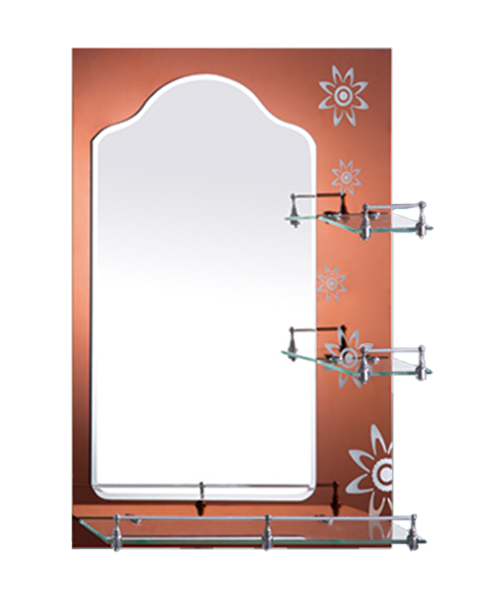
1. The Multifunctionality of Wall Mirrors and Shelves
Visual Expansion
The most apparent function of wall mirrors is their ability to expand visual space. This effect is particularly valuable in small homes or rooms with limited light. For example, a large mirror placed in an entryway not only serves as a convenient tool for adjusting your appearance but also creates a sense of spaciousness at first glance. In a bedroom or living room, placing a well-designed mirror on the right wall can visually elongate the room, making it appear larger and brighter. This functionality is especially important for compact apartments, where every inch of space needs to be utilized effectively.
Storage and Space Optimization
Shelves add a significant storage function to wall mirrors. In modern homes, shelves are often designed in multiple layers or with hooks to hold items like cosmetics, books, decorative objects, keys, or small plants. In bathrooms, shelves can hold toiletries, minimizing clutter on counters. In the entryway, a mirror combined with a shelf allows for quick organization of personal items before leaving the house, enhancing daily convenience. By combining mirrors and shelves effectively, you can keep your space tidy while maintaining a stylish look.
Balancing Aesthetics and Functionality
Nowadays, the design of wall mirrors and shelves is increasingly focused on balancing aesthetics and functionality. Various materials for mirror frames, unique shelf designs, and a range of color options ensure that this combination not only serves a practical purpose but also acts as a decorative feature. For example, a metal frame shelf with an industrial design fits well in modern minimalistic spaces, while a wood-framed mirror paired with a rustic shelf adds warmth to Scandinavian-style interiors. Additionally, the mirrors themselves can be sculpted or designed in unique shapes, making them a focal point in the room. This design concept, which focuses on both utility and visual appeal, is becoming the dominant trend in contemporary home decor.
2. Design Trends
Minimalist Style
Minimalist style emphasizes simple, clean lines and muted color palettes. Mirrors typically feature frameless or thin-frame designs, while shelves follow a straightforward, linear approach in neutral colors such as black, white, or grey. This type of design not only focuses on creating a sense of space but also ensures that the room looks neat and tidy. Minimalist mirrors and shelves are ideal for modern urban apartments where space is limited, as they maintain functionality while preventing the room from feeling crowded, ultimately creating a spacious and bright atmosphere.
Scandinavian Style
Scandinavian style is all about natural materials and warm color tones. Mirrors typically have light wood frames, and shelves are predominantly made from wood or painted white, creating a soothing, natural atmosphere. In this style, wall mirrors and shelves not only serve practical purposes but also contribute to the overall decor of the space. For instance, a round wooden mirror paired with a small shelf featuring drawers can store daily essentials while adding a cozy, inviting vibe to a bedroom. Scandinavian design focuses on details, using plants, soft furnishings, and minimalistic elements to enhance the space and create a warm, harmonious environment.
Industrial Style
Industrial style focuses on metal materials and rugged, utilitarian designs. Mirrors often feature dark metal frames in black or deep grey, while shelves are constructed from iron or steel, emphasizing sturdiness and functionality. This design style is particularly suitable for lofts or open spaces, where the bold, raw aesthetic can be celebrated. Industrial-style wall mirrors and shelves are both visually striking and highly functional, making them popular among younger homeowners or those who appreciate a unique, personalized space.
Creative Modular Designs
Modular or creative combination designs have become increasingly popular in recent years. Mirrors and shelves can be freely combined, allowing users to adjust the height, placement, and shape of the mirror as needed. For instance, multiple smaller mirrors can be arranged together to create an art wall, while shelves can be installed between mirrors for functional and decorative purposes. This design not only provides flexibility but also caters to personal tastes, making it an ideal solution for those who enjoy creative and customizable home decor.
Design Trends Comparison Table
| Style | Mirror Features | Shelf Features | Ideal Spaces |
|---|---|---|---|
| Minimalist | Frameless or thin frame, simple | Straight lines, neutral colors | Small apartments, modern living rooms |
| Scandinavian | Light wood frame, round or square | Wood or white, natural warmth | Bedrooms, entryways |
| Industrial | Black metal frame, sturdy | Iron or steel, rough design | Lofts, open spaces |
| Creative Modular | Modular, multiple shapes | Customizable, adjustable | Personalized spaces, art walls |
3. Buying and Styling Tips
Size and Space Matching
When buying wall mirrors and shelves, the first thing to consider is the size and proportions of the space. A mirror that is too large may feel overwhelming, while one that is too small might not achieve the desired visual expansion. Similarly, a shelf that is too wide may make the space feel cramped, while one that is too narrow may not provide enough storage. Therefore, it’s essential to measure the wall space and choose mirrors and shelves that fit proportionally. For instance, in an entryway, opt for a vertical mirror paired with a small shelf, while in a bedroom, consider a medium-sized mirror with a multi-layered shelf to maximize both functionality and aesthetics.
Materials and Durability
The material of the mirror and shelf directly impacts durability and safety. Mirrors should ideally be made from tempered glass, which is durable and shatter-resistant. As for shelves, the choice of material will depend on the style, with wood, metal, and composite materials being common options. In bathrooms or humid environments, it's best to choose waterproof and moisture-resistant materials to ensure longevity and maintain aesthetics. Additionally, the materials should complement the overall home style to avoid a mismatch in design.
Color and Coordination
Color coordination is essential when selecting wall mirrors and shelves. The color of the mirror and shelf should match or complement the wall color, furniture tone, and other decor elements. For example, a light-colored wall works well with a dark-framed mirror, creating a striking contrast, while wooden furniture pairs nicely with natural-colored or white shelves to maintain a harmonious and organic feel. Thoughtful color coordination not only enhances the space’s appearance but also helps unify the overall home style.
Function Over Design, but Consider Design
When choosing, always prioritize function over design, but also ensure the design complements the overall aesthetic. Mirrors should meet daily use needs, while shelves should offer practical storage space. At the same time, both should align with the overall home design style to create a cohesive space. By thoughtfully planning and styling, wall mirrors and shelves can serve as functional yet beautiful additions to your home.
4. Practical Application Scenarios
Entryway
The entryway is the first impression area of a home and also a key location for daily organization. The combination of a wall mirror and shelf can make organizing your items quick and easy. For instance, a full-length mirror paired with a small shelf or hooks allows for convenient storage of keys, hats, bags, and other essentials. This design not only increases daily convenience but also visually expands the space, making a narrow entryway feel more open.
Bedroom
In bedrooms, wall mirrors and shelves provide both functionality and visual appeal. Mirrors serve as a tool for dressing or applying makeup, while shelves store accessories, cosmetics, or books. With proper layout, the mirror and shelf combination can optimize storage while enhancing bedroom aesthetics, creating a comfortable and welcoming private space.
Bathroom
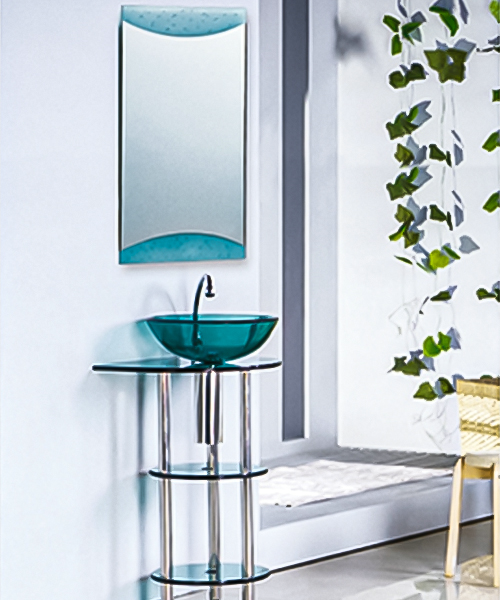
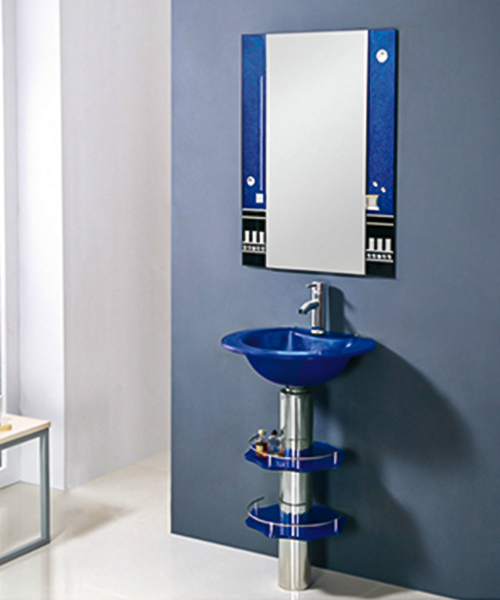
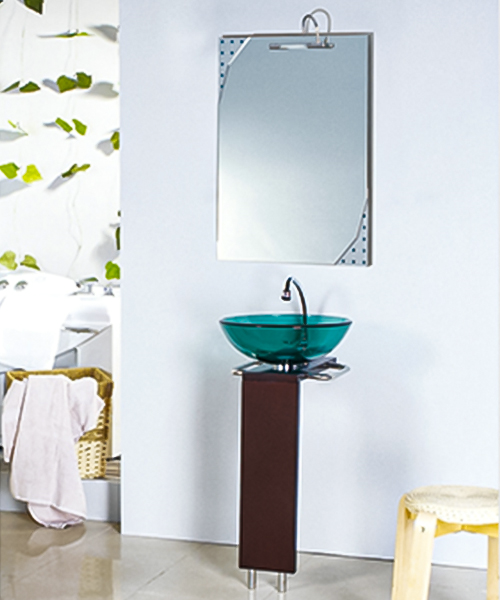
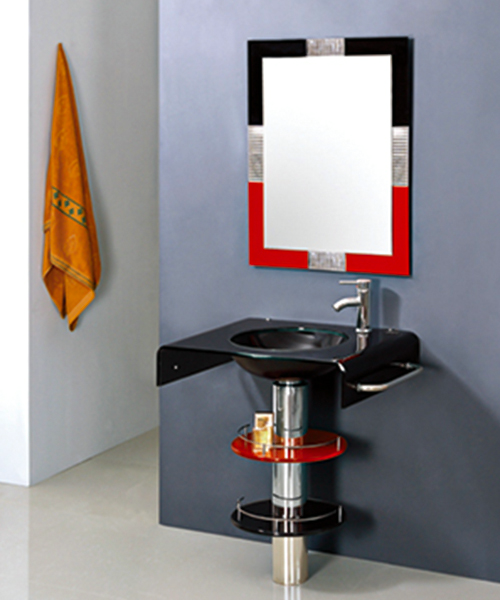
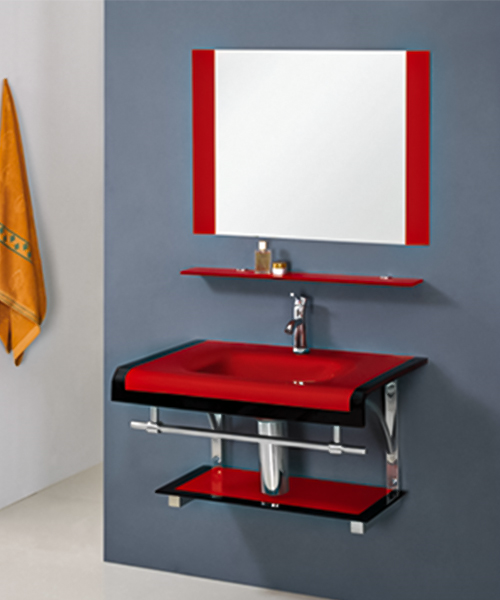
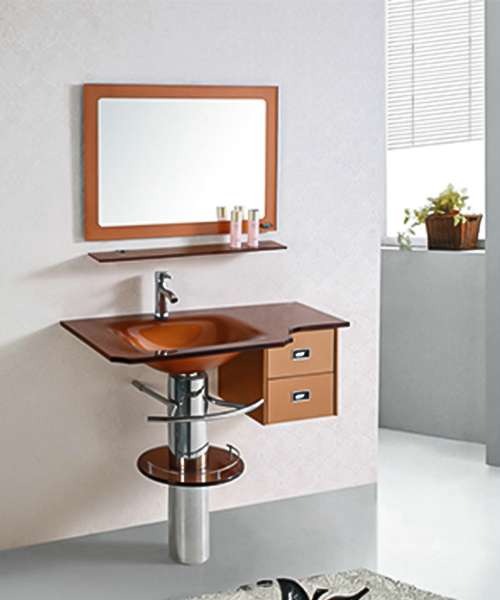
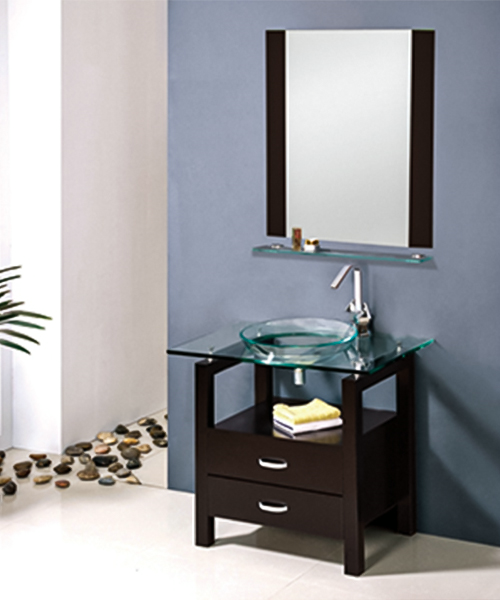
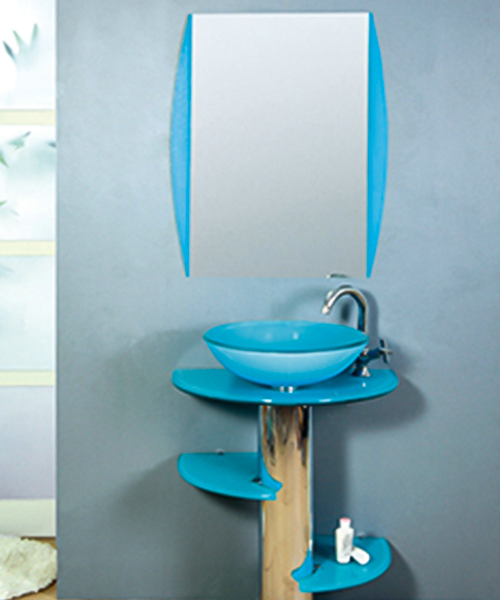
Bathrooms are typically compact and humid, so wall mirrors and shelves should be both waterproof and durable. Shelves can hold toiletries, towels, and other daily necessities, while mirrors fulfill personal grooming needs. A well-designed combination keeps the bathroom tidy and functional while maintaining a visually appealing environment.
Living Room and Other Spaces
In living rooms or other common areas, wall mirrors and shelves also have excellent applications. For example, mirrors can serve as decorative backdrops, while shelves display books, decor items, or plants, creating an artistic wall effect and adding depth to the space. This setup enhances both the aesthetics and personality of the home, making the environment more comfortable and visually engaging.