English
 Español
 عربى
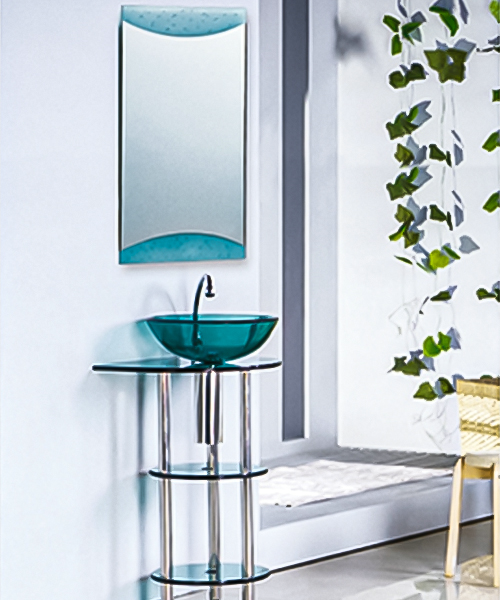
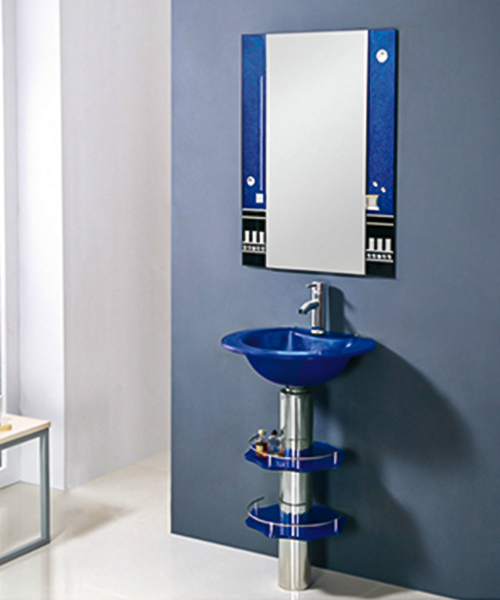
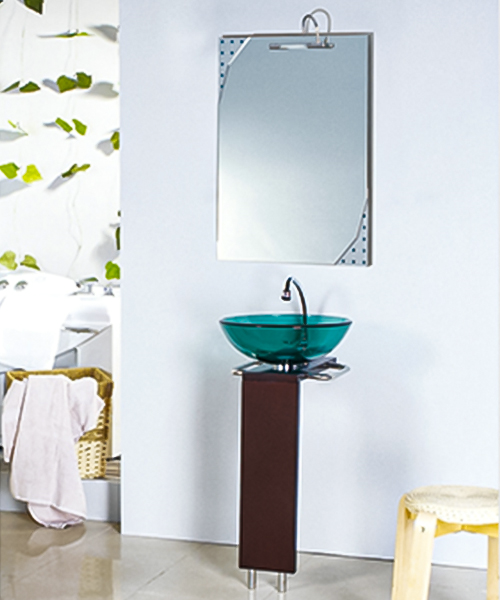
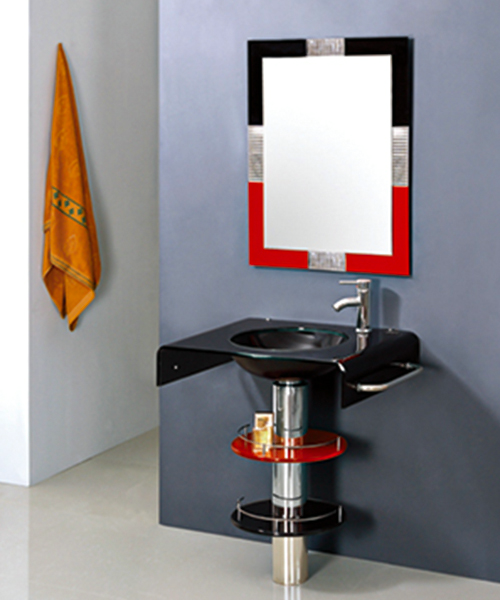
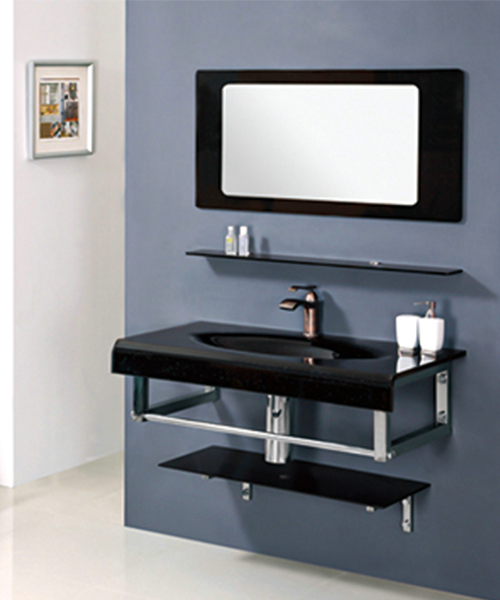
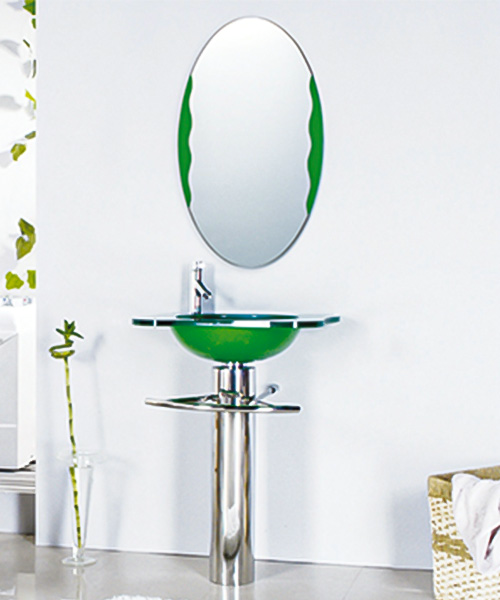
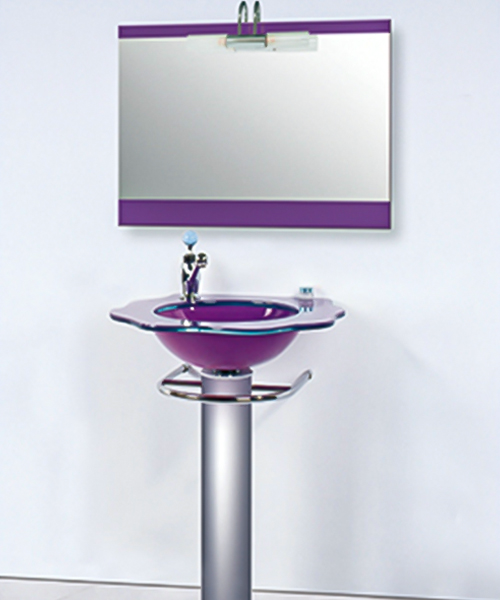
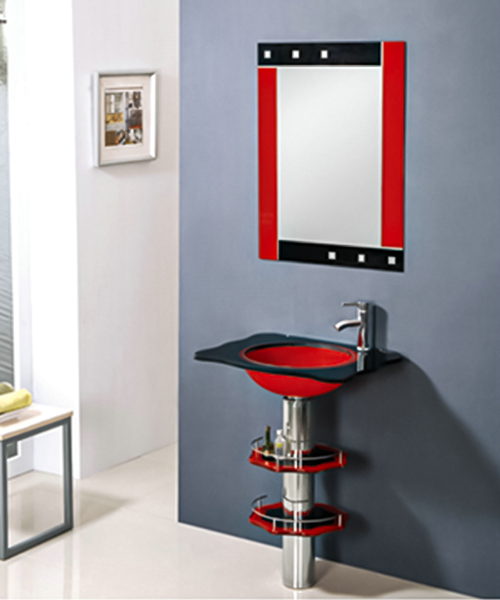
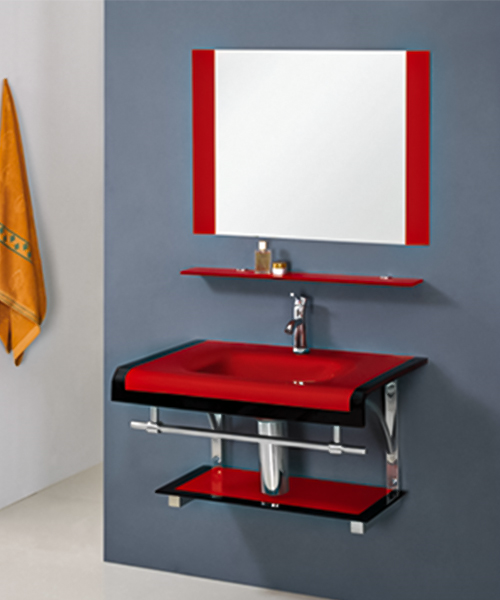
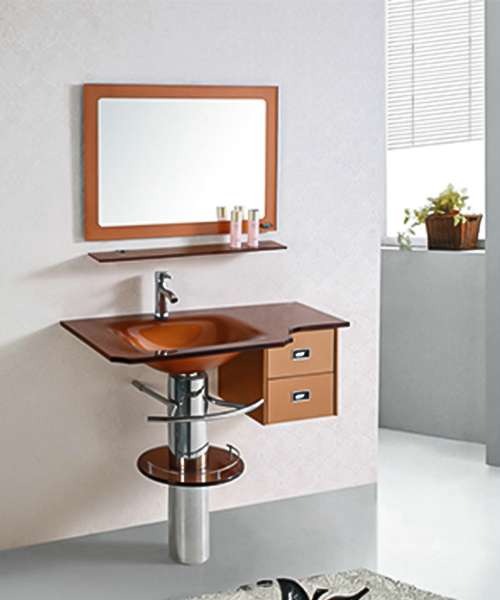
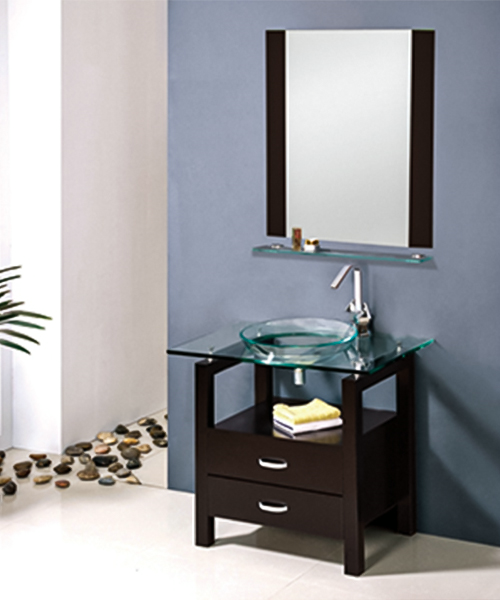
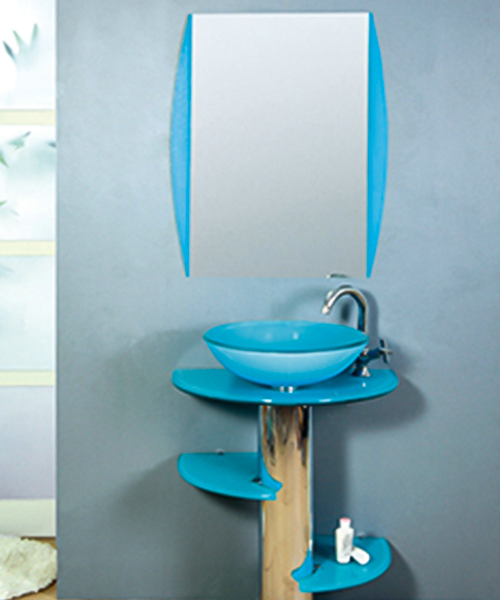
عربىGlass basin cabinets, which combine aesthetics and functionality, are increasingly becoming a popular choice for modern bathrooms and kitchens. However, many homeowners wonder whether glass is a suitable material for a piece of furniture that will experience daily wear and tear. While glass may appear delicate, the durability of a glass basin cabinet depends on several factors, including the type of glass used, the design and construction, and how well the unit is maintained.
1. Type of Glass Used
The durability of glass basin cabinets is heavily influenced by the type of glass chosen for construction. Most high-quality glass basin cabinets are made using tempered glass. Tempered glass is a type of safety glass that has been heat-treated to increase its strength. Unlike regular glass, which can easily crack or shatter under pressure, tempered glass is designed to be far stronger and more resistant to breaking. In fact, tempered glass is up to four times stronger than regular glass and can withstand higher temperatures, making it ideal for bathroom environments where moisture and temperature fluctuations are common.
In addition to being more robust, tempered glass also has a safety feature: if it does break, it shatters into small, blunt pieces rather than sharp shards, reducing the risk of injury. This makes it safer in environments like bathrooms, where slip-and-fall accidents are a concern. The use of tempered glass ensures that your glass basin cabinet can endure daily use without the same level of risk as non-tempered glass.
2. Design and Construction
While the type of glass is crucial, the overall design and construction of the cabinet also play a significant role in its durability. High-quality glass basin cabinets typically feature reinforced frames made of materials like stainless steel, aluminum, or wood. These frames are essential for providing additional support to the glass, ensuring that it is not overly stressed during daily use. The strength of the frame helps the cabinet resist bending, warping, or collapsing under the weight of the basin, especially when filled with water.
The cabinet design should also take into account the balance between glass and other materials. Some glass basin cabinets use a hybrid design, where glass is combined with other materials such as wood or stone, to balance aesthetics and functionality. The integration of these materials ensures that the cabinet remains stable and that the glass does not bear all of the structural load. The edges of the glass are often treated or reinforced with extra layers to minimize the risk of cracks or chipping.
3. Maintenance Requirements
Proper maintenance is key to ensuring the longevity of any piece of furniture, including glass basin cabinets. Though tempered glass is durable, it still requires regular care to maintain its pristine condition. One of the biggest concerns with glass is the accumulation of soap scum, water stains, and mineral deposits, especially in areas with hard water. Over time, these stains can diminish the glass’s clarity and even damage the surface if left untreated.
To clean a glass basin cabinet, use a non-abrasive cleaner and a soft cloth. Avoid harsh chemicals, as they can strip away the protective coatings on the glass or scratch the surface. For hard water stains, a mixture of vinegar and water can help dissolve mineral deposits. It is also essential to dry the glass after cleaning to prevent water spots. Regular cleaning not only maintains the appearance of the glass but also prevents the buildup of grime that could degrade its surface over time.
In addition to cleaning the glass, you should inspect the other materials that make up the cabinet. For example, if the cabinet has wooden elements, ensure that they are treated to resist moisture, which is a common concern in bathrooms. Similarly, if there are metal parts, check for signs of rust and perform regular maintenance to keep the cabinet in good condition.
4. Weight and Installation
The weight of the glass basin itself can put significant strain on the cabinet frame, so installation is a critical factor in ensuring the unit’s durability. A heavier basin will naturally exert more force on the frame and glass, especially during use when the basin is filled with water. To prevent structural damage, the installation should be done correctly, with proper anchoring and reinforcement. Most glass basin cabinets are designed to be wall-mounted or supported by a sturdy base, and it’s essential that these are installed by a professional to ensure stability.
When choosing a glass basin cabinet, it is important to pay attention to the weight capacity and make sure the cabinet can support the specific type of basin you intend to install. Some models may be designed for lighter, decorative basins, while others can handle heavier, deeper basins. Always consult the manufacturer’s recommendations regarding weight limits and installation guidelines.
| Factor | Glass Basin Cabinet | Traditional Cabinet |
|---|---|---|
| Glass Strength | High (Tempered Glass) | Low (Regular Glass) |
| Weight Capacity | Medium to High | High (Solid Wood/Metal) |
| Installation Complexity | Moderate (Needs support frame) | Low (Standard setup) |
| Maintenance Frequency | Regular cleaning required (stains, water spots) | Low (Less frequent) |
| Durability in Humid Conditions | Good with proper sealing | Can deteriorate over time without proper care |
FAQ
Q1: Are glass basin cabinets safe for bathrooms with children?
Yes, tempered glass is designed to be much safer than regular glass. In the event of breakage, tempered glass shatters into small, non-sharp pieces. However, it’s important to ensure that the cabinet is securely installed to avoid any accidents.
Q2: Can a glass basin cabinet handle heavy usage?
Yes, as long as it is properly installed with a sturdy frame, a glass basin cabinet can handle heavy daily use. Make sure the glass basin is of the right weight and that the cabinet’s support structure is robust.
Q3: How can I prevent hard water stains on a glass basin cabinet?
Regular cleaning with a vinegar-water solution and drying the surface after each use can help prevent mineral buildup and water spots. Using a water softener or installing a filtration system can also reduce hard water stains.
Q4: What should I do if my glass basin cabinet gets a crack?
If you notice a crack in the glass, it’s important to replace it immediately. Depending on the severity of the crack, it could worsen over time, leading to complete failure. Consult a professional for replacement options.
References:
- “Tempered Glass vs. Regular Glass: What’s the Difference?” Glass.com, 2023.
- “Caring for Your Glass Bathroom Vanity: Tips and Tricks.” Home Improvement Magazine, 2023.
- “Choosing the Right Materials for Your Bathroom Furniture.” Design Daily, 2024.
- “Understanding the Durability of Glass in Bathroom Design.” Architectural Digest, 2023.